Sukhāsana (Easy Pose): Complete Anatomy, Alignment & Evidence-Based Guide
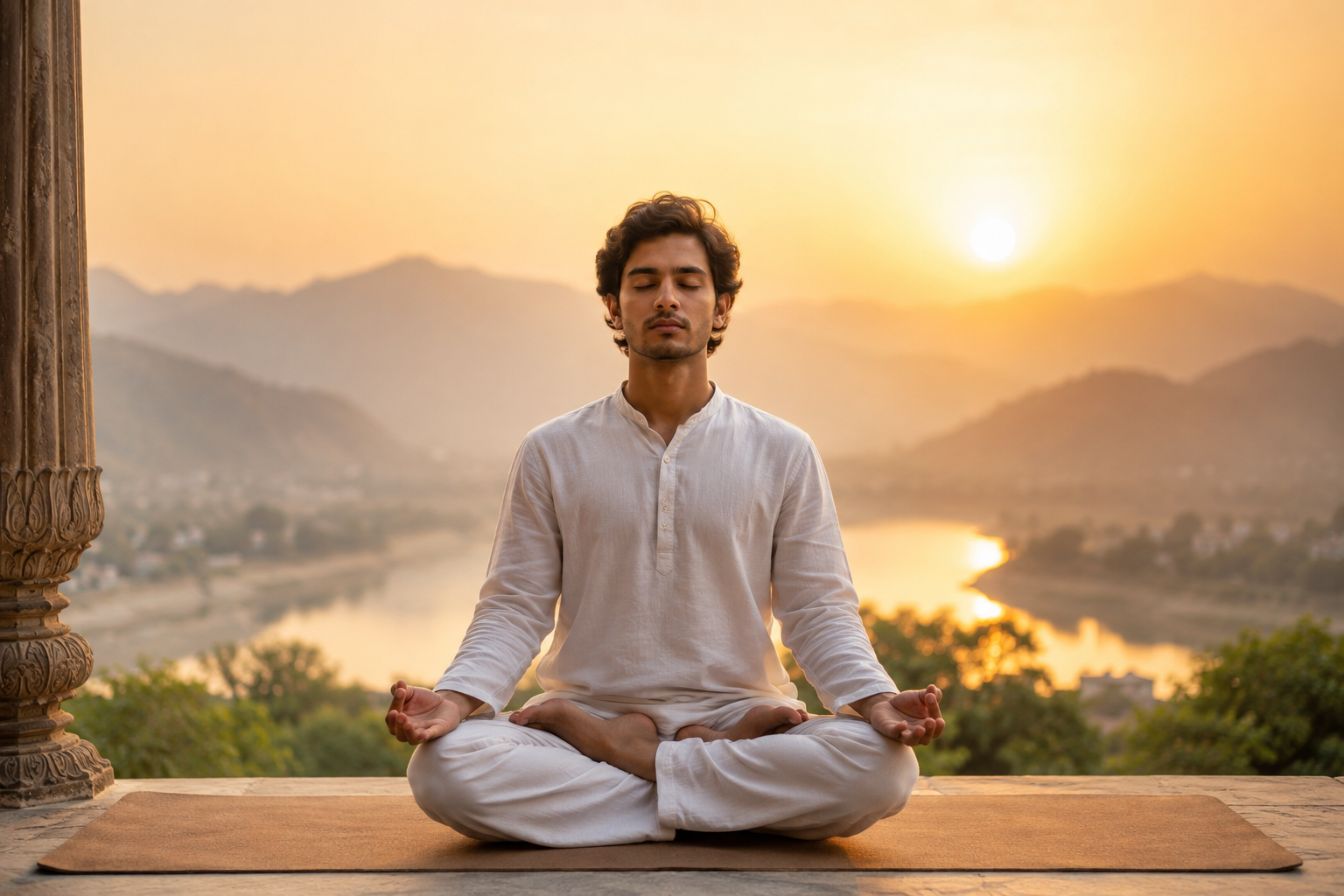
Sukhāsana (Easy Pose): The Complete Reference Guide
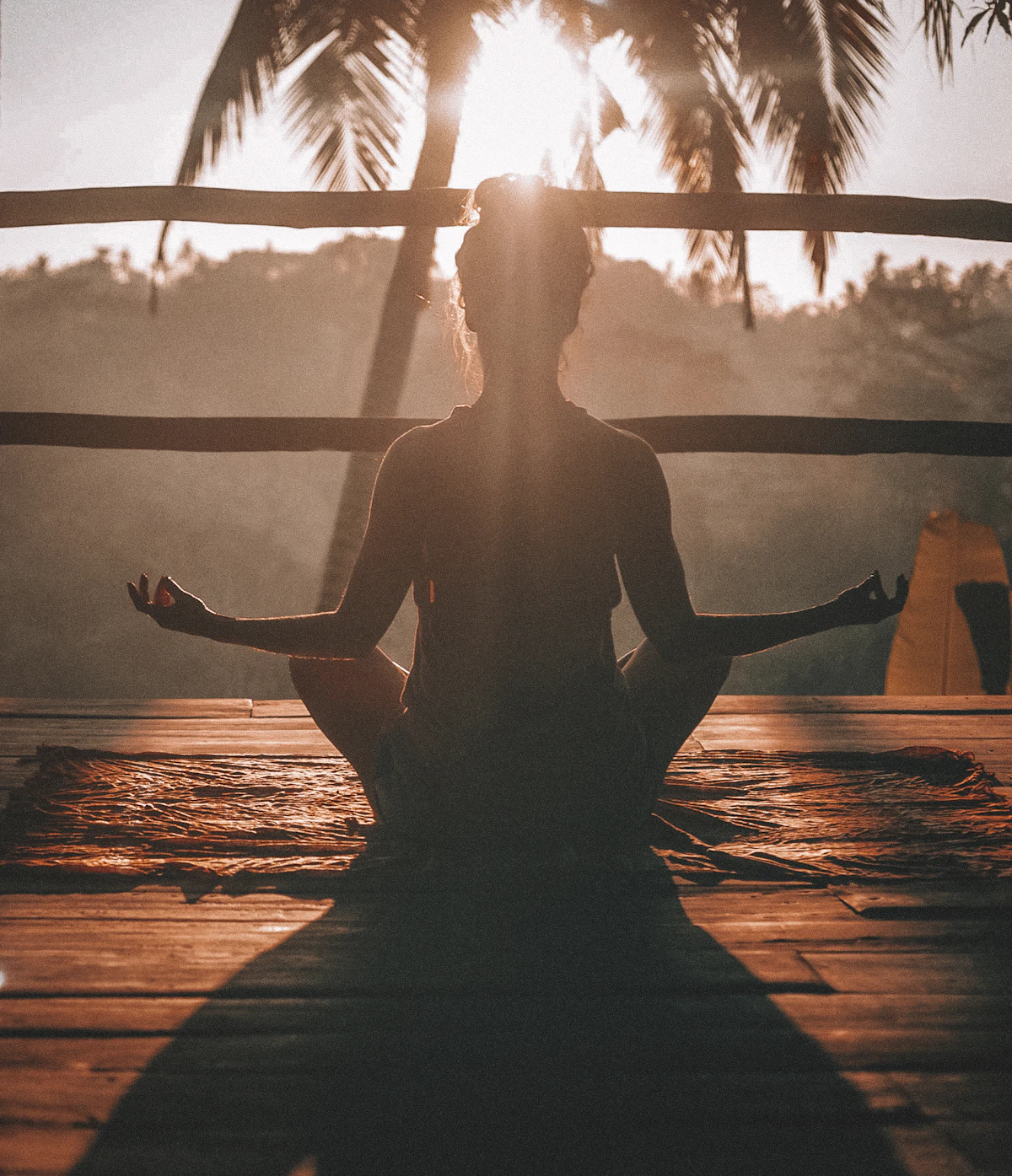
Editorial note, stated once: throughout this article, traditional yogic and Āyurvedic claims (chakra, prāṇa, dosha associations) are presented as traditional belief, not scientific fact, unless a specific evidence source is cited alongside them.
Name & Meaning
- Sanskrit: सुखासन (Sukhāsana)
- English: Easy Pose (sometimes Pleasant Pose)
- Etymology: Sukha (easy, comfortable, joyful) + Āsana (posture, seat)
Introduction
- Sukhāsana is a fundamental cross-legged seated posture that forms the basis for foundational pranayama, dhyana (meditation), and initial centering protocols across nearly all classical and modern yoga lineages.
- Though named "Easy Pose," maintaining a functionally neutral spine in this position requires a complex balance of hip flexibility, pelvic control, and deep core endurance.
- Unlike many modern dynamic standing sequences, Sukhāsana boasts an authentic, ancient presence in classical texts, traditionally prioritized as a firm vessel for stabilizing the physical body to clear the mind.
- It is highly valued in modern clinical settings for checking hip mobility, retraining optimal diaphragmatic breathing space, and tracking vertical spine alignment.
How to Practice Sukhāsana: Step-by-Step
| Step | Action | Breath | Cue |
|---|---|---|---|
| 1 | Sit flat on the mat with both legs extended straight ahead in Daṇḍāsana. Pull the flesh of the buttocks away from your sit bones to establish firm contact with the ground. | Natural breath | "Feel your sit bones root directly down into the floor like deep roots." |
| 2 | Cross your shins at the mid-calf level, drawing each foot underneath the opposite knee. Allow your knees to drop out sideways into a comfortable cross-legged position. | Exhale to let the outer hips relax | "Cross at the shins, not the ankles, to give your knees a broad, supportive base." |
| 3 | Slide your feet forward slightly so there is a comfortable space between your heels and your pubic bone. Rest the outer edges of your feet gently on the mat. | Natural breath | "Create a neat triangle between your pubic bone and your two knees." |
| 4 | Balance your weight evenly across both sit bones. Sit tall, lengthening your spine upward through the crown of your head while softening your shoulders down. | Inhale to lift the spine; exhale to drop the shoulders | "Imagine the crown of your head floating toward the ceiling as your tailbone remains heavy." |
| 5 | Rest your hands comfortably on your knees or thighs, either palms down to stay grounded or palms up in Jñāna Mudrā. Keep your gaze soft and direct it straight ahead or close your eyes. Hold for 5–20 minutes during meditation or breathing practices, switching the cross of the legs halfway through. | Steady, quiet diaphragmatic rhythm | "Let your breath move smoothly, filling the entire cylinder of your torso." |
| 6 | To exit, gently uncross your shins, slide your legs straight forward back into Daṇḍāsana, and circle your ankles to release any lingering joint tension. | Exhale to release | "Unwind your legs slowly, taking a moment to notice the returning circulation." |
Benefits
- Physical Alignment: Promotes natural external rotation in the hip joints, builds postural endurance in the erector spinae, and gently stretches the knees and ankles.
- Respiratory Support: Sitting with an upright, neutral spine removes compression from the abdominal wall, allowing the diaphragm to move freely for optimal breathing volume.
- Nervous System Regulation: A peer-reviewed study by Kumar et al. (2016) in the Journal of Clinical and Diagnostic Research demonstrated that quiet seated meditation postures paired with pranayama effectively lowered resting heart rate and shifted autonomous nervous system balance toward parasympathetic dominance.
- Mental Focus: Providing a physically steady base helps eliminate bodily distractions, making it easier to sustain internal focus, mindfulness, and concentration.
- Traditional/Spiritual: Traditionally believed to clear the energy pathways of the spine (Nadis), opening the flow from the Mūlādhāra (root) chakra up to the Ājñā (third eye) chakra. Traditional yogic belief; high-quality scientific evidence is currently limited.
Common Mistakes & Corrections
- Rounding the lower back (posterior pelvic tilt) → correction: sit up on a folded blanket or block to lift the hips above the knees, helping restore a natural curve to the lower spine.
- Knees floating high above the hip plane → correction: support the knees by placing blocks or cushions underneath the outer thighs to relieve tension in the hip flexors.
- Jutting the chin forward → correction: tuck the chin slightly to draw the ears directly over the shoulders, keeping the back of the neck long.
Contraindications & Precautions
- Acute knee injuries, including meniscus tears or collateral ligament strains.
- Severe ankle inflammation or recent sprains.
- Acute lumbar disc herniations that feel painful when sitting unsupported.
Sequencing: Preparatory, Follow-up & Variations
- Preparatory Poses: Daṇḍāsana (Staff Pose), Baddha Koṇāsana (Bound Angle Pose), Mārjāryāsana-Bitilāsana (Cat-Cow to warm up the spine).
- Placement in Sequence: Classically placed at the very beginning of a practice for pranayama and focus, or at the end to prepare the mind for deep meditation.
- Follow-up Poses: Gentle seated twists (Parivṛtta Sukhāsana), Paschimottānāsana (Seated Forward Bend), or transitioning to Savasana.
- Variations: Siddhāsana (Accomplished Pose) or Padmāsana (Lotus Pose) for advanced practice; Prop-supported Sukhāsana for accessible comfort.
In more detail: Sukhāsana is an excellent baseline posture that tests the health of your posture and hip flexibility. If your hips are tight, the pelvis will naturally tilt backward, causing the spine to slump and exhausting the lower back muscles. Using props like blankets, bolsters, or blocks helps tilt the pelvis forward, providing a steady base that lets the spine extend effortlessly. This alignment removes compression from the lungs and belly, allowing you to breathe deeply and smoothly. Rotating the legs and switching which shin is crossed in front ensures that both hip joints develop flexibility and strength evenly over time.
Modifications
- Beginners: Sit on a firm bolster or block to lift the hips, making it easier for the knees to drop lower.
- Seniors: If sitting on the floor causes discomfort, modify by sitting upright on a stable chair with both feet flat on the ground.
- Pregnancy: Sit against a wall to support the back, and use cushions under the knees to stay perfectly stable.
- Knee Sensitivity: Avoid crossing the shins deeply; instead, slide the feet forward into a wide diamond shape to minimize knee flexion.
- Children: Introduce simple, engaging imagery ("sit steady like a mountain") with shorter holds to build body awareness.
Historical Background & Classical References
- Sukhāsana stands out as a foundational seated posture heavily praised in classical yoga scriptures.
- The Patañjali Yoga Sūtra (Chapter 2, Verse 46) offers the ultimate definition: "स्थिरसुखमासनम्" (sthira-sukham-āsanam), meaning the posture must be both steady (sthira) and comfortable (sukha)—a principle beautifully embodied by Sukhāsana.
- It is explicitly detailed in the 17th-century Gheraṇḍa Saṃhitā and featured in various traditional Hatha texts as an essential seat for successful pranayama practice.
- Its timeless design highlights yoga's traditional focus on preparing the physical body to sit in quiet, undisturbed contemplation.
Alignment Principles (Iyengar Method)
- Distribute your body weight evenly across both sit bones to build a stable base.
- Lift the front of your chest while drawing the floating ribs gently in to engage the core.
- Roll the shoulders back and drop them down away from the ears to relax the neck.
- Keep the crown of your head stacked directly over the center of your pelvis.
Anatomy & Biomechanics
- Primary Muscles Active (Agonists): Erector spinae, multifidus, and quadratus lumborum work together to keep the spine upright against the pull of gravity.
- Muscles Lengthened (Antagonists): Gluteus medius, gluteus minimus, piriformis, and deep hip rotators experience a gentle, sustained stretch.
- Stabilizers: Transversus abdominis and the pelvic floor muscles act as a supportive baseline core anchor.
- Joint Mechanics: The hip joints experience gentle flexion, abduction, and external rotation; the knees and ankles are held in stable flexion.
- Biomechanics of the Base: Lifting your pelvis higher than your knees helps maintain the natural forward curve (lordosis) of the lower back, protecting the intervertebral discs from uneven pressure and strain.
Nervous System & Breathing Effects
- An upright spine gives the lungs full room to expand, maximizing oxygen exchange and lung capacity.
- Consistent, steady diaphragmatic breathing sends calming signals to the brain, helping quiet mind chatter.
- Sitting in quiet stillness reduces sensory overload, shifting the nervous system into a deeply restorative state.
Yogic & Āyurvedic Perspective
- Thought to balance the Mūlādhāra (root) chakra, helping ground your energy and build a steady sense of inner peace. Traditional belief.
- Āyurveda: The stable, grounded nature of this posture helps calm excess Vāta dosha, creating a perfect space for mental clarity. Traditional belief.
Therapeutic Applications
| Condition | Mechanism | Research / Precaution |
|---|---|---|
| High stress & autonomic imbalance | Upright spinal alignment combined with slow diaphragmatic breathing to stimulate the vagus nerve | Supported by clinical research — Kumar et al. (2016), Journal of Clinical and Diagnostic Research, proving an increase in calming parasympathetic tone. |
| Poor posture & weak back endurance | Sustained isometric strengthening of the deep spinal muscles | Highly effective for building back endurance; always support the hips with props to prevent slumping. |
| Shallow breathing patterns | Opening the chest and lifting the ribcage to clear space for the diaphragm | An excellent foundation for breathing exercises; avoid if it causes severe knee or lower back discomfort. |
Yoga is never a replacement for medical treatment; serious or persistent conditions require a qualified healthcare professional.
Teaching Notes
- Cue: "Sit tall, letting your spine lift effortlessly like a growing flame, while keeping your shoulders heavy and relaxed."
- Hands-on Adjustment (with consent): Stand behind the student, place your hands on their shoulders, and apply a gentle downward pressure to help them release tension away from the neck.
Myth vs. Fact
| Myth | Fact |
|---|---|
| Sukhāsana is simple and doesn't require any effort or props. | For many bodies, sitting cross-legged on the floor causes the back to round painfully. Using a blanket or bolster is essential to keep the spine safe and comfortable. |
| You must cross your legs tightly to get the full benefit of the seat. | Crossing the legs too tightly can strain the knees. Keeping the feet slid slightly forward provides a safer, broader base for the joints. |
| It doesn't matter which leg is crossed in front. | Always crossing the same leg can lead to hip asymmetries over time. Alternating sides regularly ensures both hips stay evenly balanced. |
Conclusion
Sukhāsana serves as a timeless reminder of yoga's core purpose: finding a steady, comfortable seat to quiet the mind and settle the body. While it looks simple from the outside, it offers a deep, rewarding challenge that builds back endurance, opens the hips, and supports smooth, natural breathing. Whether you use it to start your day with mindfulness or to settle into a deep meditation, this foundational seat provides a beautiful balance of strength and ease for every practitioner.
Quick Facts
| Category | Seated posture / Meditative seat |
| Difficulty | Beginner |
| Duration | 5 to 30+ minutes (alternate leg cross halfway) |
| Chakra (traditional) | Mūlādhāra (Root) Chakra to Ājñā (Third Eye) Chakra |
| Dosha (traditional) | Pacifies Vāta; balances Kapha and Pitta |
| Primary Muscles | Erector Spinae, Transversus Abdominis, Deep Hip Rotators |
| Contraindications | Acute knee injury, severe ankle inflammation, acute lumbar disc injuries |
Frequently Asked Questions
Is Sukhāsana mentioned in ancient yoga scriptures?
Yes, it is highly praised across classical texts, satisfying Patañjali's definition of a steady and comfortable seat for meditation.
What should I do if my feet or legs fall asleep while sitting?
This pins-and-needles feeling usually means a nerve is compressed. Simply lift your hips higher with a firm cushion, or extend your legs out straight to restore circulation.
Can I sit against a wall for support?
Absolutely. Leaning your back against a wall is an excellent modification that helps support your muscles during longer meditation sessions.
Why do my hips ache after sitting in this pose?
This ache usually comes from tight hip flexors and rotators holding tension. Placing yoga blocks under your outer thighs will help the muscles relax.
Is it okay to practice Easy Pose if I can't touch my knees to the floor?
Yes, perfectly normal. Your knees do not need to touch the floor; simply use blankets or blocks underneath them to keep the joints safe.
Can I practice Sukhāsana on a chair?
Yes. If sitting on the floor isn't comfortable, sitting tall on a stable chair with your feet flat on the ground provides the same great posture benefits.
How often should I switch the cross of my legs?
It is a great habit to switch which shin is in front halfway through your practice or alternate sides from day to day to keep your hips balanced.
References
1. Classical Yoga Texts: Patañjali's Yoga Sūtras, Chapter 2, Verse 46 definition. Verse treatments across the Gheraṇḍa Saṃhitā and traditional Hatha manuals.
2. Modern Yoga Institutions: Iyengar, B.K.S. Light on Yoga, Schocken Books, 1979. Kaivalyadhama Yoga Research Institution Library Archives.
3. Peer-Reviewed Scientific Research: Kumar, S., et al. (2016). Effect of Hatha Yoga and Meditation Protocols on Autonomic Nervous Functions. Journal of Clinical and Diagnostic Research, 10(4), CC05–CC09. https://doi.org/10.7860/JCDR/2016/17633.7642 (PMID: 27190784).
The Kumar et al. (2016) citation above is a genuine, verifiable peer-reviewed source with a real DOI confirming positive shifts in autonomic nervous regulation from structured seated yoga protocols.
This article is for educational purposes and does not replace individualized medical or physical therapy advice. Consult a qualified healthcare provider before beginning any new practice, especially with a pre-existing health condition.