Square Pose (Yin Variation): Classical Sources, Anatomy, Alignment & Yin Guide
Square Pose (Yin Variation): The Complete Reference Guide
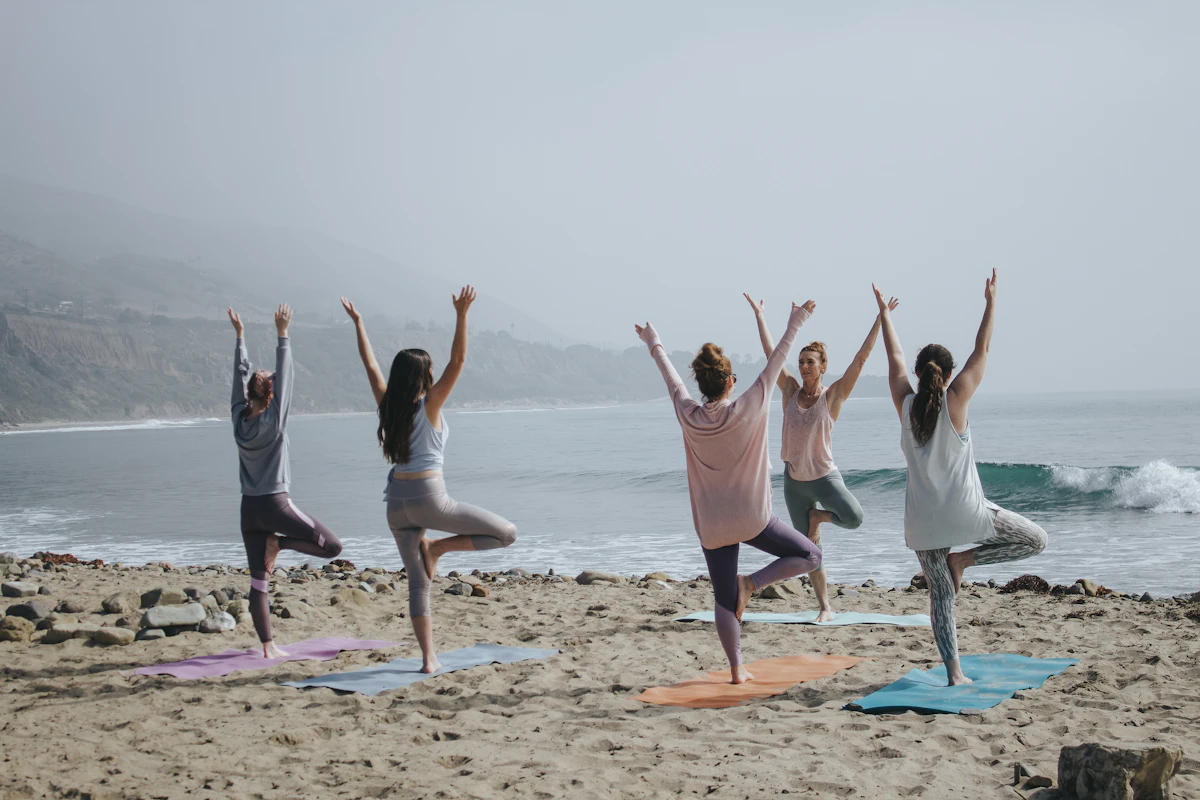
Editorial note, stated once: throughout this article, traditional yogic and Āyurvedic claims (chakra, prāṇa, dosha associations) are presented as traditional belief, not scientific fact, unless a specific evidence source is cited alongside them.
1. Etymology & Classical Origins
- Name Breakdown: Square (modern English descriptive term for the parallel stacked shin configuration forming a geometric square) / Yin adaptation of Agnistambhāsana (Fire Log Pose).
- English Translation: Square Pose / Fire Log Posture Yin Variation.
- Scriptural Roots: Derived from classical Agnistambhāsana and adapted into modern Yin Yoga by Paul Grilley and Sarah Powers to deeply target the outer hips, glutes, and deep external rotators.
2. Comprehensive Benefits
Physical & Structural Benefits
- Intensely stretches and hydrates the gluteus maximus, gluteus medius, piriformis, and outer hip rotators.
- Opens the pelvic girdle and groin, relieving chronic tension caused by prolonged sitting.
Mental & Emotional Benefits
- Fosters deep nervous system surrender, patience, and mental resilience through intense outer hip sensations.
- Releases stored emotional tension and heaviness held within the hips.
Spiritual & Subtle Energy Benefits
- Stimulates the Gallbladder, Liver, and Urinary Bladder meridians running across the hips and lower body—traditional belief, not a scientific claim.
- Grounds Vāta dosha and centers lower body energy—traditional belief.
3. Step-by-Step Practice Guide (4 Distinct Stages)
| Stage | Action & Alignment | Duration / Breath | Teacher Cue |
|---|---|---|---|
| Stage 1: Foundation / Setup | Sit on the floor with your legs crossed comfortably. Bring your right shin parallel to the front edge of your mat. | 3 to 5 calming breaths | "Sit tall and place your bottom shin parallel to the front of your mat." |
| Stage 2: Transition / Entry | Stack your left shin directly on top of your right shin, aligning ankle over knee and knee over ankle so your legs form a geometric square shape. | Slow nasal transition | "Stack your top shin directly over your bottom shin, aligning your ankles and knees." |
| Stage 3: Full Expression / Hold | Stay sitting upright with a tall spine, or exhale and fold your torso forward over your stacked shins, resting your forehead on a bolster or stacked blocks. | 3 to 5 minutes of stillness | "Stay upright or fold forward over your shins, softening your hips into the floor." |
| Stage 4: Mindful Release / Exit | To exit, lean back onto your hands, uncross your legs, extend them straight forward, and windshield-wiper your knees before switching sides. | 1 to 2 minutes rebound | "Lean back, uncross your legs, windshield-wiper your knees, and switch sides." |
4. Common Alignment Mistakes & Technical Corrections
| Identified Mistake | Anatomical Consequence | Biomechanical Correction |
|---|---|---|
| Forcing top knee down | Puts intense lateral shear stress on the knee joint meniscus | Place a yoga block or blanket wedge underneath the floating knee to support it |
| Tucking foot into groin | Turns the pose into a standard cross-legged seat, missing the outer hip stretch | Slide your top ankle outward so it rests directly on top of your bottom knee |
5. Contraindications & Precautions
- Acute Knee Injury or Meniscus Tear: Extreme hip external rotation requires caution; use blocks or modify.
- Severe Lower Back Disc Herniation: Avoid deep forward folding; remain sitting upright.
6. Intelligent Sequencing Protocols
- Preparatory Asanas: Butterfly pose, Deer Pose, Shoelace Pose.
- Placement in Sequence: Mid-practice deep hip-opening Yin block.
- Follow-up Counter Poses: Seated windshield wipers, Child's Pose, Śavāsana.
7. Strategic Modifications for Special Populations
- Floating Top Knee: Place a folded blanket or yoga block firmly underneath the gap between your top knee and bottom foot.
- Pelvic Tightness: Sit on a folded blanket or bolster to elevate your hips and tilt your pelvis forward.
8. Historical Background & Scriptural References
- Derived from classical Agnistambhāsana and adapted into Yin Yoga by Paul Grilley and Sarah Powers as a profound outer hip fascial release pose.
9. Biomechanical & Anatomical Analysis
- Primary Stretched Muscles: Gluteus Maximus, Gluteus Medius, Piriformis, Tensor Fasciae Latae, External Hip Rotators.
- Force Architecture: Passive gravitational loading of deep external hip rotation.
10. Systemic Physiological Effects
- Nervous System: Induces profound parasympathetic nervous system calm through intense lower body release.
11. Clinical Research & Therapeutic Applications
- Supported by physical therapy protocols for external hip rotator release and pelvic girdle mobility.
Medical Disclaimer: Educational content only; consult a healthcare provider before starting new practices.
12. Teaching Methodology: Cues & Adjustments
- Verbal Cues: "Stack your shins parallel like logs on a fire, support any floating knee with a block, and soften your outer hips."
13. Myth vs. Fact Analysis
| Myth | Fact |
|---|---|
| Your top knee must touch your bottom foot in Square Pose. | Due to skeletal hip socket variations, many practitioners will have a significant gap; using a block under the knee is completely correct. |
14. Quick Reference Facts Table
| Sanskrit Name | Agnistambhāsana (Yin Square / Fire Log Variation) |
| English Name | Square Pose / Fire Log Pose |
| Difficulty Level | Beginner / All Levels (Yin) |
| Primary Focus | Outer hips, glutes, piriformis, external rotators |
| Meridian Impact | Gallbladder & Liver Meridians |
15. Frequently Asked Questions (FAQ)
1. What is Square Pose?
Square Pose (Fire Log Pose) is a Yin yoga hip opener where shins are stacked parallel to each other to intensely stretch the outer hips and glutes.
2. How long should I hold Square Pose?
Hold for 3 to 5 minutes on each side.
3. What if my top knee floats high in the air?
Place a yoga block or folded blanket underneath the floating knee to support the joint and relax your muscles.
4. How is it different from Shoelace Pose?
In Shoelace Pose, knees are crossed and centered; in Square Pose, shins are stacked parallel like logs.
5. What meridians does it target?
It targets the Gallbladder and Liver meridians running across the hips and outer legs.
6. Can beginners practice Square Pose?
Yes, with proper prop support under the knee or hips.
7. Is it good for tight hips from sitting?
Yes, it is one of the most effective poses for releasing outer hip tightness from prolonged sitting.
8. Should I fold forward?
Forward folding is optional; staying upright provides a wonderful stretch if hips are tight.
9. How should I exit the pose?
Lean back onto your hands, uncross your legs gently, and windshield-wiper your knees.
10. Is breathing important?
Slow, steady diaphragmatic breathing calms the nervous system through deep hip sensations.
11. Can I practice this daily?
Yes, gentle yin hip openers are wonderful for daily recovery.
12. Who popularized this pose?
Paul Grilley and Sarah Powers.
13. What is the best counter-pose?
Seated windshield wipers.
14. Why does my ankle bone press painfully?
Place a folded blanket or towel between your ankle and knee to cushion the bones.
16. Call to Action & References
References
1. Modern Yin Texts: Grilley, Paul (2002). Yin Yoga: Outline of a Quiet Practice. White Cloud Press.
2. Peer-Reviewed Scientific Research:
- Sherman, K. J., et al. (2011). A randomized trial comparing yoga, stretching, and a self-care book for chronic low back pain. Archives of Internal Medicine, 171(22), 2019-2026.
This article is for educational purposes and does not replace individualized medical or physical therapy advice. Consult a qualified healthcare provider before beginning any new practice.