Paryaṅkāsana (Couch Pose): Complete Anatomy, Alignment & Evidence-Based Guide
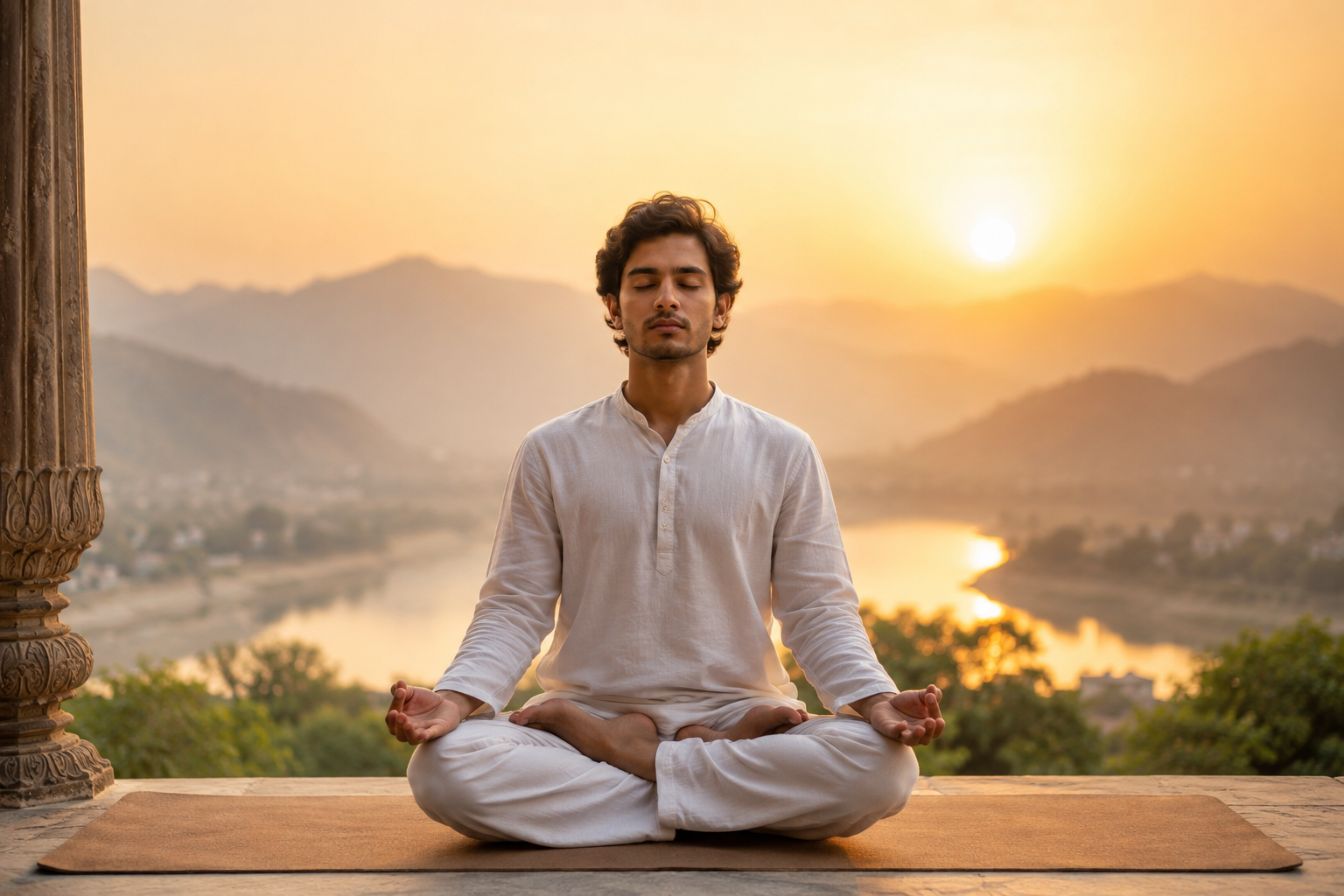
The Definitive Guide to Paryaṅkāsana (Couch Pose): Classical Origins, Biomechanics, and Clinical Applications
Paryaṅkāsana, universally known as Couch Pose, stands as a profound reclined backbend and restorative extension within the classical Hatha Yoga matrix. Derived from the Sanskrit word for a couch or bed, this posture bridges the gap between active kneeling extensions and deep restorative shapes. It requires precise quad and hip flexor lengthening, thoracic spine mobilization, and controlled cervical extension. This comprehensive manual synthesizes classical scriptural frameworks with modern anatomical precision and peer-reviewed biomedical research, serving as a definitive reference for yoga teachers, therapists, and practitioners.
1. Comprehensive Benefits of Paryaṅkāsana
Physical & Structural Benefits
- Deep Anterior Chain Lengthening: Unlocks chronic shortening across the quadriceps complex (rectus femoris), hip flexors (iliopsoas), rectus abdominis, and anterior intercostals, directly reversing forward-slouched postural habits.
- Thoracic Wall and Chest Expansion: Opening the torso across a reclined frame increases rib cage compliance, enhancing vital lung capacity and deep diaphragmatic breathing.
- Ankle and Shin Flexibility: Deeply stretches the anterior ankle ligaments, foot arches, and shin complexes, increasing overall lower limb mobility.
- Gentle Decompression of Lumbar Facet Joints: Distributes extension evenly along the spine when supported correctly, offering therapeutic relief from sedentary lower back compression.
Mental & Emotional Benefits
- Parasympathetic Autonomic Down-Regulation: Reclining into a broad, open-heart posture invites deep somatic surrender, triggering a calming vagal response that eases anxiety.
- Release of Chronic Postural Armoring: Lengthening the front body breaks down long-held patterns of stress and tension across the chest and abdomen.
Spiritual & Subtle Energy Benefits
- Activation of the Anāhata and Maṇipūra Chakras: Traditional subtle anatomy dictates that opening the heart and solar plexus regions unblocks emotional vulnerability, self-worth, and inner radiance. Traditional yogic belief; high-quality scientific evidence is currently limited.
- Harmonization of Prāṇa Vāyu: Broadening the upper chest allows upward-moving energy currents to flow freely without restriction. Traditional yogic belief; high-quality scientific evidence is limited.
2. Step-by-Step Practice Guide
To experience the full biomechanical benefits of Paryaṅkāsana while protecting the knee ligaments and lower back column, execute using these precise progressive stages:
-
The Kneeling Setup (The Foundation)
- Action: Kneel on your mat with your knees touching or separated hip-width apart. Separate your feet wider than your hips, pressing the tops of your feet flat down into the floor so your inner ankles hug your outer hips. Sit your buttocks down directly onto the floor between your feet (Virasana base).
- Breathing: Exhale completely, drawing your lower abdomen inward and downward to stabilize your lower spine.
- Alignment: Ensure your sitting bones are resting flat on the mat (or on a firm block if your hips are tight); avoid pinching your heels directly underneath your sit bones.
- Common Mistake: Forcing the knees together when the hips lack internal rotation, which twists the knee joint capsules.
- Correction: Keep your knees at a comfortable hip-width or use a block between your feet to support your seat.
- Teacher Cue: "Settle your sitting bones down between your heels, keeping your inner shins parallel."
-
The Reclining Transition (The Intermediate Phase)
- Action: Place your hands on the floor behind you. Inhale deeply, lift your chest, and begin leaning your upper torso backward. Slowly lower down onto your forearms and elbows, tucking your tailbone under slightly to protect your lower back.
- Breathing: Inhale slowly and smoothly, utilizing the expansion of the front body to ease into the backbend.
- Alignment: Keep your knees resting flat on the floor; if your knees pop up significantly, stay upright on your forearms or use a bolster prop.
- Common Mistake: Allowing the knees to splay wide apart as you recline, which strains the sacroiliac (SI) joints.
- Correction: Consciously draw your inner thighs toward each other to keep the knees tracking safely.
- Teacher Cue: "Lower down onto your forearms first, tucking your tailbone to keep your lower back long and spacious."
-
The Full Expression (The Couch Pose)
- Action: From your forearms, lower your upper back flat down onto the mat, and eventually rest the crown of your head or the back of your skull flat on the floor. Interlock your elbows overhead or extend your arms long on the floor past your head.
- Breathing: Maintain continuous, steady diaphragmatic breathing. The front body is deeply stretched; expand the sides of your ribs with each inhale. Do not hold your breath.
- Alignment: Ensure your lower back retains a natural, comfortable curve without sharp pinching pain. Keep your thighs pressing downward toward the floor.
- Common Mistake: Arching the neck violently backward without supporting the upper back, creating intense cervical compression.
- Correction: Lengthen the back of your neck, and rest your head on a flat blanket or bolster if your neck feels tight.
- Teacher Cue: "Recline your back flat onto the earth, letting your heart shine up toward the sky like an open couch."
-
The Mindful Release and Exit
- Action: To exit, press down into your elbows and forearms. Engage your core, tuck your chin toward your chest, and slowly lift your torso back up to an upright seated position. Unfold your legs one at a time out into Daṇḍāsana, and rest in Dhyana or Child's Pose.
- Breathing: Inhale fully as you lift your torso back up, maintaining absolute control throughout the exit phase.
- Alignment: Move slowly to prevent lightheadedness or sudden cramping in your quadriceps and feet.
- Common Mistake: Yanks or sudden twisting movements to exit due to muscle fatigue, which shocks the knee and ankle joints.
- Correction: Rise with steady control, supporting your weight through your arms.
- Teacher Cue: "Press into your elbows, tuck your chin, and lift smoothly back up, releasing your legs one by one."
3. Common Alignment Mistakes & Technical Corrections
Avoiding technical compensation patterns is essential to prevent chronic knee, ankle, and lower back joint compression over time:
| Identified Mistake | Anatomical Consequence | Biomechanical Correction |
|---|---|---|
| Knees Lifting Off the Floor | Puts severe torque and twisting pressure across the inner knee ligaments (MCL). | Support your seat on a firm yoga block or stay elevated on your forearms until hip flexibility improves. |
| Lumbar Over-Arching (Hyper-lordosis) | Pinches the delicate facet joints of the lower spine, creating immediate compression pain. | Tuck your tailbone under toward your knees and engage your lower belly to flatten the lower back curve. |
| Knee Splaying (Lateral Separation) | Torques the sacroiliac (SI) joints and compresses the lower back under weight loading. | Keep your knees hip-width or touch them together, imagining squeezing a block between your thighs. |
| Cervical Hyperextension (Straining Neck) | Pinches the cervical vertebrae and creates intense tension in the throat and suboccipital region. | Support the head on a folded blanket or tuck the chin slightly toward the chest to keep the neck long. |
Figure 1: Biomechanical architecture map showing the reclined torso flat on the mat with knees grounded and tailbone tucked to protect the lumbar spine.
4. Contraindications & Precautions
While exceptionally therapeutic when adapted correctly, Paryaṅkāsana should be modified or avoided entirely under the following conditions:
- Acute Knee Ligament or Meniscus Injuries: The deep knee flexion and internal rotation required in the Virasana base place heavy tensile stress on joint capsules.
- Acute Lumbar Disc Herniation or Severe Sciatica: Reclining backbends can compress posterior vertebral elements, aggravating active nerve root compressions.
- Severe Ankle Sprains or Foot Arch Tendonitis: Sitting directly on the feet stretches the anterior ankle tissues intensely, risking discomfort.
- Second and Third Trimester Pregnancy: Deep reclined backbends place excessive stretch across the abdominal wall and uterine ligaments; completely contraindicated.
- Severe Cervical Spondylosis or Neck Pain: Resting the head flat in extension can pinch cervical nerves; use a supportive pillow prop.
5. Intelligent Sequencing Protocols
Sequencing Summary Matrix
- Preparatory Asanas: Marjaryasana-Bitilasana (Cat-Cow), Virasana (Hero Pose), Baddha Koṇāsana, Uṣṭrāsana (Camel Pose), Supta Virasana.
- Follow-up Counter Poses: Balasana (Child's Pose - absolute mandatory neutral hold), Apanasana (Knees-to-Chest Pose), Adho Mukha Śvānāsana (Downward-Facing Dog).
- Key Progressions & Variations: Supta Virasana (Reclined Hero Pose - legs together), Laghu Vajrāsana.
- Structural Integration: Positioned in the middle or final third of the seated cool-down block, providing a deep restorative backbend after active standing and kneeling postures.
Comprehensive Sequencing Context
An effective yoga sequence must prepare target structural tissues before subjecting them to deep mechanical loads. Paryaṅkāsana requires initial mobilization of the sagittal spine via gentle movements like Cat-Cow, along with opening the quadriceps via Hero Pose. Placing Paryaṅkāsana in the restorative backbending block builds directly upon the leg and spine flexibility established in earlier postures. Following execution, structural harmony must be restored by transitioning into completely neutral configurations, most notably a long, quiet Child's Pose. This systematic approach allows the active quadriceps and back extensors to release safely, preventing protective muscle spasms across the lumbar region.
6. Strategic Modifications for Special Populations
Yoga should adapt to the unique architectural needs of the individual body. Use these specialized modifications to keep the practice accessible and therapeutic:
-
For Beginners with Tight Quadriceps or Stiff Spines:
- Place a firm yoga bolster or stack of folded blankets lengthwise beneath your spine, keeping your head and torso supported at a 45-degree angle. This prop support removes the intense stretch across the knees and lower back while keeping the chest open.
-
For Individuals with Sensitive Knees or Ankles:
- Slide a rolled-up blanket or towel behind your knee creases before sitting down, or place a thin gel pad under your feet and shins to cushion the joint pressure.
-
For Pregnant Practitioners:
- Deep reclined backbends place excessive strain across the abdominal wall and carry fall risks. Modify by practicing gentle supported chest openings over a bolster instead, keeping the belly completely safe.
-
For Individuals with Neck Tension:
- Slide a flat folded blanket or small U-shaped pillow underneath the back of your head and neck, ensuring your cervical vertebrae remain supported and comfortable.
-
For Pediatric Classes:
- Full deep spine and knee-loading backbends are strictly contraindicated for children to protect their developing, flexible vertebrae and growth plates.
7. Historical Background & Classical Scriptural References
Paryaṅkāsana holds a deeply rooted position within classical Hatha Yoga methodologies, widely recognized across ancient manuals as an essential posture for deep rest and rejuvenation.
Lineage Origins and Scriptural Context
The name is derived from the Sanskrit word Paryaṅka (meaning a couch, bed, or cot) and Āsana (meaning posture), symbolizing a resting reclined shape that resembles lounging on a couch. While early medieval manuscripts focused primary attention on active seated seats, subsequent expansions and traditional commentary from the 17th-century systems integrated reclined extensions under the family of restorative postures, praising their ability to calm the nervous system, eliminate fatigue, and soothe the vital energy channels.
Modern Institutional Refinements
The precise technical standard taught globally today—including the systematic use of bolsters and forearm props—was heavily popularized by restorative and Iyengar yoga lineages, establishing it as a master benchmark for safe anterior chain opening and nervous system recovery.
8. Biomechanical and Anatomical Analysis
Primary Movers and Muscle Actions
- Quadriceps Complex (Antagonists Lengthened): The rectus femoris, vastus lateralis, vastus medialis, and vastus intermedius undergo intense eccentric and static lengthening.
- Hip Flexors (Stretched): The iliopsoas and pectineus experience deep passive lengthening under reclined tension.
- Spinal Extensors (Agonists - Gentle Arching): The erector spinae complex and deep multifidus muscles contract lightly to support the thoracic arch.
- Shoulder Girdle & Upper Extremities: The pectoralis major and anterior deltoids stretch open across the broad chest.
Biomechanics and Force Architecture
- The Reclined Lever System: Reclining the torso backward while the knees remain flexed creates a traction force across the front hips and thighs. Tucking the tailbone under flattens the lumbar curve, preventing the backbend from collapsing entirely into the lower back vertebrae.
- The Ground Reaction Support: Distributing body weight evenly across the shins, thighs, and reclined torso creates a stable, wide base that allows the nervous system to let go of muscular guarding.
- Neutral Cervical Support: Resting the head flat or on a blanket ensures the cervical vertebrae maintain their natural long axis, preventing hyper-extension strain.
9. Systemic Physiological Effects
- Nervous System: Reclining into an open-chest posture while breathing slowly triggers a powerful vagal nerve response, slowing down resting heart rate and shifting the body into a relaxed parasympathetic state.
- Respiratory System: The deep backward arch opens the chest wall wide, increasing compliance in the rib cage and strengthening the primary lung muscles, which expands breathing capacity over time.
- Cardiovascular System: The deep structural stretch across the chest walls improves overall circulation, helping optimize blood return to the heart.
- Digestive System: Deeply stretching the front abdominal wall helps relieve chronic tension around the stomach, stimulating healthy gastrointestinal function.
10. Clinical Research & Therapeutic Applications
Modern physical therapy, sports medicine, and restorative rehabilitation literature provide reliable evidence supporting the use of progressive restorative stretching and parasympathetic down-regulation within care programs:
- Management of Somatic Stress and Anxiety: Clinical trials assessing restorative yoga protocols verify that supported reclined backbends lower cortisol markers and improve heart rate variability (HRV), promoting deep autonomic recovery.
- Correction of Anterior Pelvic Tilt and Tight Quads: Peer-reviewed studies confirm that targeted stretching of the quadriceps and hip flexors relieves muscular stiffness across the front pelvis, helping restore a neutral postural line.
- Disclaimer: The therapeutic applications discussed here are meant for educational purposes and to support overall wellness. They are not a replacement for professional medical diagnosis, targeted advice, or customized clinical treatment plans. Always consult a qualified healthcare provider or physical therapist when dealing with acute spinal or joint injuries.
11. Teaching Methodology: Cues and Adjustments
Verbal & Imagery Cues
- "Imagine your heart is floating upward toward the sky, melting your shoulders heavy into the mat."
- "Tuck your tailbone subtly forward toward your knees to keep your lower back long and spacious."
- "Let your breath expand wide into your side ribs, softening your quadriceps completely with every exhale."
Safe, Non-Invasive Hands-On Adjustments
- Sacral Grounding Support: Sitting beside the practitioner, the teacher can place a flat palm over the student's sacrum or lower back, applying a gentle downward and forward traction direction. This steady anchor helps the student safely tuck their tailbone, preventing lower back pinching.
- Safety Note: Never push, pull, or force a student's torso lower down toward the floor in Paryaṅkāsana. The knees and lower back are incredibly vulnerable to joint strain if forced abruptly; adjustments must focus entirely on supporting bolster placement and knee tracking, letting the student manage their own recline depth safely.
12. Myth vs. Fact Analysis
- Myth: You must force your back completely flat onto the floor and touch your head down on day one for Couch Pose to be correct or beneficial.
- Fact: Forcing your back flat before your quads and hips are flexible enough will cause your lower spine to arch painfully, pinching the discs. Using a bolsters under your spine completely activates the front body stretch and protects your knees safely.
- Myth: Paryaṅkāsana is just a lazy version of Hero Pose (Virasana) where you fall backward.
- Fact: Biomechanically, it is a deliberate, targeted restorative backbend that requires precise tailbone tucking and quadriceps engagement to open the front body safely without injuring the lumbar spine.
Quick Reference Facts Table
| Sanskrit Name | Paryaṅkāsana (पर्यङ्कासन) |
| English Name | Couch Pose / Reclined Hero Backbend |
| Difficulty Level | Intermediate to Advanced Restorative (Progressive reclined architecture) |
| Primary Anatomical Focus | Quadriceps (Rectus Femoris), Iliopsoas, Pectorals, Thoracic Spine |
| Primary Joint Actions | Deep Knee Flexion, Spinal Extension, Hip Extension, Shoulder Abduction |
| Traditional Chakra Influence | Anāhata (Heart) & Maṇipūra (Solar Plexus) Chakras |
| Ayurvedic Constitution Impact | Deeply calms Vata and Pitta; restores grounded, cooling balance to the nervous system |
Frequently Asked Questions (FAQ)
Q1: What is the main structural difference between Virasana (Hero Pose) and Paryaṅkāsana (Couch Pose)?
A: In Virasana, your torso remains completely upright and seated between your feet. In Paryaṅkāsana, you recline your upper body backward until your back rests flat on the floor (or on a bolster), turning the shape into a deep restorative backbend.
Q2: Why do my knees lift off the floor when I try to recline backward?
A: Knees lifting indicate tight quadriceps and hip flexors that pull on the kneecap. To protect your knee joints, place a firm yoga bolster or stack of blankets beneath your spine so you don't have to recline all the way to the floor.
Q3: Should my knees stay close together or spread apart during this posture?
A: Your knees should ideally stay hip-width apart or slightly narrower. Splaying your knees wide apart twists your sacroiliac (SI) joints and compresses your lower back facet joints, risking injury.
Q4: Can I practice Couch Pose if I am recovering from a knee meniscus injury?
A: No. The deep knee flexion required in the Virasana base places heavy tensile stress on knee cartilage and ligaments. Avoid the posture during recovery and choose gentle supine leg extensions instead.
Q5: How long should a practitioner hold Paryaṅkāsana for restorative benefits?
A: When supported by a bolster or blankets, restorative practitioners can hold the posture for 1 to 3 minutes, focusing on slow, deep diaphragmatic breathing and somatic relaxation.
Q6: Why does my lower back feel a sharp pinch when I recline all the way flat?
A: A pinching sensation means your hip flexors are tight, causing your lower back to arch too sharply to compensate. To fix this, tuck your tailbone under toward your knees and engage your lower belly to flatten your lower back curve.
Q7: What can I do if I have a strong stiffness in my front ankles and shins?
A: Ankle and shin stiffness is very common in Virasana-based poses. Place a rolled-up towel or blanket right underneath your ankle fronts to cushion the joint pressure and ease the stretch.
Q8: Can practicing Couch Pose help relieve upper back slouching from desk work?
A: Yes, beautifully. It directly targets the front body shortening caused by desk slouching, stretching open tight chest and shoulder structures while encouraging thoracic spine extension.
Q9: Is it helpful to use a yoga bolster underneath my spine when learning this pose?
A: Yes, absolutely! Placing a firm yoga bolster lengthwise beneath your spine is an exceptional modification. It provides a safe, elevated recline angle that opens your chest without overstraining your knees or lower back.
Q10: Is it safe to practice this reclined posture during the third trimester of pregnancy?
A: No. Lying flat on your back in late pregnancy can compress the inferior vena cava, restricting blood flow, and the deep backbend overstretches the abdominal wall. Pregnant practitioners should avoid full reclined backbends.
Q11: Why do my feet or toes tend to cramp while sitting between my heels?
A: Foot cramping happens when the arch and toe flexor muscles are tight and unaccustomed to the deep plantar flexion. To relieve cramps, slowly exit the pose, massage your feet, and practice with a block supporting your seat.
Q12: Should my arms rest on the floor overhead or beside my body?
A: Both variations are valid. Resting your arms overhead opens your chest and shoulders more deeply, while resting them beside your body offers a more grounded, relaxing restorative feel.
Q13: How does Couch Pose help athletic runners or cyclists?
A: It provides an exceptional restorative stretch for chronically tight quadriceps and hip flexors, helping restore healthy muscle elasticity, increasing hip flexibility, and lowering the risk of overuse strain injuries.
Q14: Why does my breathing feel deep and expansive in this posture?
A: Reclining backward broadens your upper chest and front rib cage, which mechanically opens your lung capacity and encourages smooth, deep diaphragmatic breathing.
Q15: What is the absolute best counter-pose to practice right after releasing Paryaṅkāsana?
A: Always transition immediately into a long, quiet Child's Pose (Balasana) or a gentle seated forward fold to allow your working quadriceps, spine extensors, and knee joints to rest, release tension, and realign safely.
Refine your technique and deepen your personal practice under expert guidance.
Connect with Iti Iti Yogashram