Kapālabhāti Prāṇāyāma (Skull-Shining Breath / Cleansing Kriya): Complete Anatomy, Metabolic Activation & Evidence-Based Guide
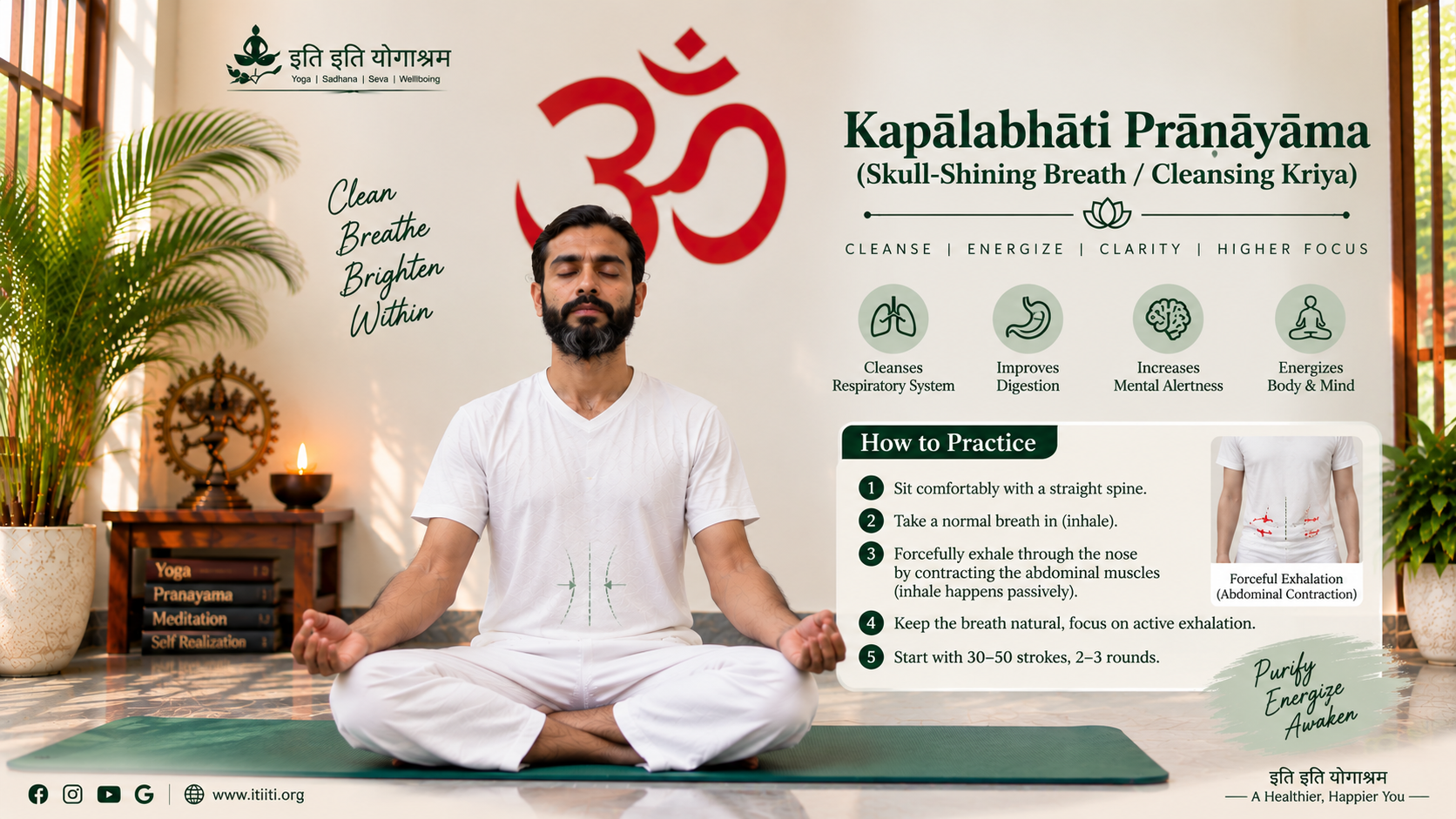
The Definitive Guide to Kapālabhāti Prāṇāyāma (Skull-Shining Breath): Classical Origins, Metabolic Activation, and Clinical Applications
Kapālabhāti Prāṇāyāma, universally renowned as the "Skull-Shining Breath" or classical cleansing kriya, stands as one of the most powerful, dynamic, and invigorating purification techniques within the Hatha Yoga matrix. Derived from the Sanskrit words kapāla (meaning skull or forehead), bhāti (meaning shining, illuminating, or bringing to light), and prāṇāyāma (or classified technically as a ṣaṭ karma cleansing practice), this technique utilizes rapid, forceful abdominal contractions combined with passive inhalations to clear respiratory passages, stimulate internal organs, and awaken cognitive clarity. This comprehensive manual synthesizes classical scriptural frameworks with modern respiratory physiology and peer-reviewed biomedical research, serving as a definitive reference for yoga teachers, therapists, and advanced practitioners.
1. Comprehensive Benefits of Kapālabhāti Prāṇāyāma
Physical & Structural Benefits
- Metabolic Activation and Internal Massage: Rapid piston-like movements of the abdominal wall intensely massage visceral organs, stimulating digestive fire (agni) and peristalsis.
- Strengthening of Respiratory Muscles: Recruits and tones the abdominal muscles (transversus abdominis, obliques) and conditions the diaphragm for rapid reflexive elastic recoil.
- Clearance of Respiratory Tracts: Flushes residual carbon dioxide and clears upper airway mucous blockages through high-velocity airflow dynamics.
- Enhanced Microcirculation: Stimulates blood circulation throughout the cranial vault and facial sinuses, creating the characteristic "shining skull" radiance.
Mental & Emotional Benefits
- Clearing Mental Fog and Lethargy: Effectively dispels tamasic inertia, dullness, and sluggishness, replacing them with sharp mental alertness.
- Nervous System Stimulation: Boosts sympathetic alertness, preparing the mind and body for focused concentration or active practice.
Spiritual & Subtle Energy Benefits
- Purification of the Subtle Body: Traditional texts classify Kapāla-bhāti as a primary purification kriya that eliminates blockages across major nadis, paving the way for spiritual awakening. Traditional yogic belief; scientific evidence is limited.
- Awakening of Inner Radiance: Channels vital energy upward toward the higher energy centers (chakras), cultivating mental clarity and inner luminosity. Traditional yogic belief; scientific evidence is limited.
2. Step-by-Step Practice Guide
To experience the full metabolic and physiological benefits of Kapālabhāti safely while safeguarding the pelvic floor and lower back, execute using these precise progressive stages:
-
The Seated Foundation and Postural Setup
- Action: Sit in a stable meditative posture (such as Padmāsana, Siddhāsana, or Sukhasana) with a tall, upright spine, open chest, and relaxed shoulders. Rest your hands on your knees in Chin Mudrā or Jnana Mudrā.
- Breathing: Take a few deep, calm diaphragmatic breaths to center your awareness before initiating the practice.
- Alignment: Keep your spine vertical and elongated; avoid slumping backward onto your sacrum or collapsing your chest.
- Common Mistake: Arching or rounding the spine forward during abdominal pumping.
- Correction: Maintain a neutral, upright spinal column throughout every stroke.
- Teacher Cue: "Sit tall with an uncompromised spine, broaden your collarbones, and anchor your sit bones evenly into the earth."
-
The Active Exhalation Mechanism (The Piston Stroke)
- Action: Take a deep inhalation to begin. Then, sharply and forcefully snap your lower belly inward and upward toward your spine, expelling the air through your nose in a short, active burst. Focus entirely on the active exhalation; the inhalation will happen automatically as a passive elastic recoil.
- Breathing: Execute rhythmic strokes at a comfortable pace (typically 1 stroke per second for beginners, up to 2 strokes per second for experienced practitioners).
- Alignment: Keep your facial muscles, jaw, and shoulders completely relaxed; do not tense your neck or upper chest.
- Common Mistake: Pushing the belly *outward* on the exhalation or using the chest instead of the lower abs.
- Correction: Pull the navel sharply *inward* toward the spine on every single exhalation.
- Teacher Cue: "Snap your navel back toward your spine sharply on the exhale, and let the inhale happen all by itself."
-
Completing a Round and Retention (Kumbhaka)
- Action: Complete a set of 20 to 30 continuous strokes (one round). At the final exhalation, expel all remaining air, take a deep comfortable inhalation to about 80% capacity, and hold the breath gently inside (Antar Kumbhaka) for a comfortable duration with a lightly engaged Mula Bandha (root lock) and Jalandhara Bandha (chin lock).
- Breathing: Maintain smooth, controlled retention without creating internal panic or air hunger.
- Alignment: Keep the body completely still during the breath retention phase.
- Common Mistake: Forcing breath retention past the point of comfortable ease, causing dizziness.
- Correction: Release the retention immediately and resume normal breathing if any strain or lightheadedness occurs.
- Teacher Cue: "After your final stroke, inhale deeply, retain the breath comfortably with a soft chin lock, and relax."
-
Integration and Recovery
- Action: Exhale smoothly and return to natural, unmanipulated diaphragmatic breathing for 30 to 60 seconds. Observe the sensations of warmth, clarity, and internal pulsing before commencing the next round (typically 2 to 3 rounds total).
- Breathing: Allow your respiratory rate to normalize completely between rounds.
- Alignment: Maintain upright posture while observing internal sensations.
- Common Mistake: Rushing immediately into the next round without recovering normal breath rhythm.
- Correction: Rest fully between sets to let your metabolic parameters stabilize.
- Teacher Cue: "Release the breath, return to natural breathing, and feel the vibrant energy settling through your system."
3. Common Alignment Mistakes & Technical Corrections
Avoiding technical compensation patterns is essential to prevent pelvic floor strain and cardiovascular dizziness:
| Identified Mistake | Anatomical Consequence | Biomechanical Correction |
|---|---|---|
| Pushing the Abdomen Forward on Exhale | Reverses the mechanics, increases intra-abdominal pressure downward onto the pelvic floor. | Consciously draw the navel *inward and upward* toward the spine on every single exhalation. |
| Tensing the Shoulders, Neck, and Face | Generates upper body fatigue, jaw clenching, and cervical spine stiffness. | Isolate the movement strictly to the abdominal wall while keeping your upper body relaxed. |
| Forcing an Active Inhalation | Disrupts the natural respiratory rhythm and leads to hyperventilation and dizziness. | Focus entirely on the active snap-exhalation and let the inhalation occur via passive elastic recoil. |
| Practicing Too Rapidly Without Experience | Triggers carbon dioxide depletion (hypocapnia), causing lightheadedness and panic. | Start slowly at one stroke per second and build speed and duration gradually over months. |
Figure 1: Biomechanical piston mechanics map illustrating sharp abdominal contraction driving passive diaphragmatic recoil and forceful exhalation in Kapālabhāti.
4. Contraindications & Precautions
Due to the high-velocity abdominal pumping and rapid fluctuations in intra-abdominal pressure, Kapālabhāti must be avoided or strictly modified under the following conditions:
- Pregnancy and Postpartum Recovery: High-velocity abdominal contractions place intense pressure on the uterus and pelvic floor; strictly contraindicated.
- Uncontrolled High Blood Pressure and Heart Disease: Rapid breathing cycles and breath retentions can spike blood pressure and strain the cardiovascular system.
- Hernias (Umbilical, Inguinal, or Hiatal): Abdominal wall pumping exerts outward/inward shear forces that can aggravate hernia sites.
- Acute Gastric Ulcers, Acid Reflux, or Abdominal Inflammation: Intense visceral massage can irritate inflamed stomach linings or ulcerated tissue.
- History of Detached Retina or Glaucoma: Sudden spikes in intraocular pressure during forceful exhalations pose risks to delicate eye structures.
5. Intelligent Sequencing Protocols
Sequencing Summary Matrix
- Preparatory Asanas & Cleansing: Comfortable seated asana (Sukhasana, Padmasana); gentle joint mobilization and deep diaphragmatic breathing to warm up the abdominal wall.
- Follow-up Counter Practices: Gentle calming breathwork such as Anuloma Viloma or Nadi Shodhana, followed by Shavasana or quiet seated meditation.
- Key Progressions & Variations: Progression from slow counts (60 strokes per minute) to moderate speed, combined with bandhas (Mula and Uddiyana Bandha) during retention.
- Structural Integration: Positioned near the beginning of a yoga session after centering, or used as a standalone energetic cleanser prior to meditation.
Comprehensive Sequencing Context
An effective yoga practice utilizes dynamic cleansing techniques early in the session to clear lethargy and stimulate internal fire before moving into physical asana or deep meditation. Kapālabhāti serves as a potent activator. Placing it early ensures the practitioner harnesses its metabolic awakening, while following it with cooling practices like Nadi Shodhana ensures the nervous system returns to profound equilibrium.
6. Strategic Modifications for Special Populations
Yoga should adapt to the unique physiological needs of the individual body. Use these specialized modifications to keep the practice accessible and safe:
-
For Beginners or Practitioners with Weak Abdominal Tone:
- Execute fewer strokes per round (e.g., 10 to 15 gentle pumps) at a slower pace, focusing purely on correct inward navel movement rather than speed.
-
For Practitioners with Lower Back Sensitivity:
- Sit upright with a supportive folded blanket under the sit bones or practice supported against a wall to maintain perfect vertical spinal alignment.
-
For Seniors or Chair Practitioners:
- Sit comfortably upright in a sturdy chair with feet flat on the floor, keeping the torso tall while performing gentle abdominal pumping.
7. Historical Background & Classical Scriptural References
Kapālabhāti holds a revered status in classical Hatha Yoga texts, traditionally categorized as one of the six purification procedures (Ṣaṭ Karma).
Classical Scriptural Context
Scripturally referenced in the Hatha Yoga Pradipika (Chapter 2, Verse 22) under the cleaning kriyas (specifically Bhalabhati / Kapālabhāti), it is described as a threefold cleansing method combining mucus clearance, wind balancing, and metabolic invigoration. Classical texts emphasize its potency in purifying the subtle nervous channels of the head.
Modern Institutional Refinements
Modern yoga research institutions such as Kaivalyadhama and S-VYASA have conducted extensive metabolic and EEG studies on Kapālabhāti, documenting its unique ability to elevate oxygen consumption, enhance cortical alertness, and stimulate sympathetic-parasympathetic nervous system adaptability.
8. Biomechanical and Anatomical Analysis
Primary Movers and Muscle Actions
- Transversus Abdominis and Internal/External Obliques: Act as the primary active movers driving the forceful inward snap of the abdominal wall.
- Respiratory Diaphragm: Relaxes rapidly upward during exhalation and undergoes passive elastic stretch on the recoil inhalation.
- Intercostal Muscles: Stabilize the ribcage against excessive lateral expansion during rapid abdominal piston strokes.
- Spinal Postural Erectors: Maintain continuous vertical alignment of the vertebral column against internal pressure changes.
Biomechanics and Physiological Pathways
- Respiratory Gas Exchange Dynamics: High-velocity expiration flushes dead-space carbon dioxide, transiently altering blood pH and stimulating brainstem respiratory centers.
9. Systemic Physiological Effects
- Nervous System: Initially stimulates sympathetic alertness and cognitive arousal, followed by a deeply relaxing parasympathetic rebound during breath retention.
- Respiratory System: Strengthens abdominal and respiratory musculature, clearing mucus and enhancing upper airway ventilation efficiency.
- Digestive System: Stimulates visceral motility, enhances gastric secretions, and supports metabolic digestive fire (agni).
- Circulatory System: Enhances microcirculation to cranial sinuses and cerebral tissues, promoting mental clarity and visual alertness.
10. Clinical Research & Therapeutic Applications
Modern medical and physiological literature provides supportive evidence regarding the metabolic and cognitive effects of Kapālabhāti:
- Metabolic Rate and Pulmonary Function Trials: Clinical studies published in peer-reviewed journals demonstrate that structured Kapālabhāti practice increases oxygen consumption, improves pulmonary function parameters, and enhances cognitive processing speed.
- Disclaimer: The therapeutic applications discussed here are meant for educational purposes and to support overall wellness. They are not a replacement for professional medical diagnosis, targeted advice, or customized clinical treatment plans. Always consult a qualified physician or healthcare provider when managing respiratory, cardiovascular, or metabolic health conditions.
11. Teaching Methodology: Cues and Adjustments
Verbal & Imagery Cues
- "Sit tall with an upright spine, broaden your collarbones, and rest your hands comfortably on your knees."
- "Snap your navel sharply inward toward your spine on every exhale like a piston, letting the inhale happen all by itself."
- "Keep your face, jaw, and shoulders completely relaxed while your lower belly does the rhythmic work."
Safe, Non-Invasive Hands-On Adjustments
- Abdominal Feedback Guidance: With permission, the instructor can place a light flat hand on the student abdominal wall to help them feel the correct inward-and-upward snap of the navel during exhalation.
- Safety Note: Never apply forceful pressure or rush stroke speed. Ensure practitioners control their own rhythm and stop immediately if dizziness occurs.
12. Myth vs. Fact Analysis
- Myth: Kapālabhāti is just a breathing exercise where you push your stomach *out* to exhale.
- Fact: Pushing the stomach out reverses the correct biomechanics; exhalation requires snapping the navel *inward and upward* to drive air out via diaphragmatic recoil.
- Myth: Anyone can practice Kapālabhāti as intensely and rapidly as desired without preparation.
- Fact: Rapid abdominal pumping causes significant shifts in blood carbon dioxide and intra-abdominal pressure, making it unsuitable for pregnant women, hypertensives, and beginners without gradual progression.
Quick Reference Facts Table
| Sanskrit Name | Kapālabhāti Prāṇāyāma (कपालभाति प्राणायाम) / Ṣaṭ Karma Kriyā |
| English Name | Skull-Shining Breath / Breath of Fire |
| Difficulty Level | Intermediate to Advanced (Requires abdominal control and pacing) |
| Primary Physiological Focus | Metabolic Activation, Visceral Massage, Respiratory Muscle Conditioning |
| Primary Respiratory Mechanics | Active Piston Exhalation, Passive Elastic Inhalation, Breath Retention (Kumbhaka) |
| Traditional Purification | Clearing Nadis of the Head and Upper Respiratory Mucus |
| Ayurvedic Constitution Impact | Stimulates Agni (Digestive Fire); balances Kapha; can aggravate Pitta if overpracticed |
Frequently Asked Questions (FAQ)
Q1: What is the literal meaning of Kapālabhāti?
A: Kapāla means "skull" or "forehead," and bhāti means "shining" or "illuminating," referring to the mental clarity and radiant health brought by the practice.
Q2: Why is exhalation active while inhalation is passive in Kapālabhāti?
A: Active exhalation uses sharp abdominal contractions to force air out, while the subsequent inhalation happens automatically through the elastic recoil of the abdominal wall and diaphragm.
Q3: What causes dizziness during Kapālabhāti practice?
A: Dizziness usually stems from hyperventilation, forcing too rapid a stroke speed, or depleting carbon dioxide levels too quickly. Slow down your pace and shorten your rounds.
Q4: Can pregnant women practice Kapālabhāti?
A: No. High-velocity abdominal contractions place intense pressure on the uterus and pelvic floor, making Kapālabhāti strictly contraindicated during pregnancy.
Q5: How many strokes should a beginner perform in one round?
A: Beginners can comfortably start with 15 to 20 gentle strokes per round, gradually building up to 30 or 50 strokes as abdominal control improves.
Q6: Should my chest expand and move during the practice?
A: No. The movement should be isolated entirely to the lower abdominal wall (navel moving in and out) while your chest and shoulders remain relaxed and relatively still.
Q7: Is Kapālabhāti considered a pranayama or a cleansing kriya?
A: While popularly taught as a pranayama, classical Hatha Yoga texts classify Kapālabhāti as one of the six purification procedures (Ṣaṭ Karma).
Q8: What should I do immediately after finishing a set of Kapālabhāti?
A: Take a comfortable inhalation, hold the breath gently inside (Antar Kumbhaka) for a few seconds with relaxed locks, then exhale and rest in natural breathing.
Q9: Can Kapālabhāti help with sinus congestion and allergies?
A: Yes. The high-velocity airflow dynamics and internal pressure shifts help clear mucus from the nasal passages and frontal sinuses.
Q10: Why do my abdominal muscles feel fatigued when I first start?
A: Kapālabhāti actively engages the transversus abdominis and oblique muscles in rapid repetitions, which can fatigue untrained core muscles initially.
Q11: Can people with high blood pressure practice Kapālabhāti?
A: Uncontrolled high blood pressure is a contraindication because rapid breathing and breath retentions can spike blood pressure. Consult a doctor first.
Q12: What time of day is best to practice Kapālabhāti?
A: Early morning on an empty stomach is ideal, as it stimulates digestion, clears lethargy, and energizes the body for the day.
Q13: How does Kapālabhāti affect the digestive system?
A: The piston-like abdominal pumping provides a deep visceral massage, stimulating digestive fire (agni), peristalsis, and internal organ tonicity.
Q14: What is the best way to correct pushing the stomach outward on the exhale?
A: Place your hand on your navel and consciously practice pulling your fingers inward toward your spine on every exhalation until the correct motor pattern is established.
Refine your breathwork technique and deepen your personal practice under expert guidance.
Connect with Iti Iti Yogashram