Candra Bhedana Prāṇāyāma (Left Nostril Piercing Breath): Complete Anatomy, Parasympathetic Sedation & Evidence-Based Guide
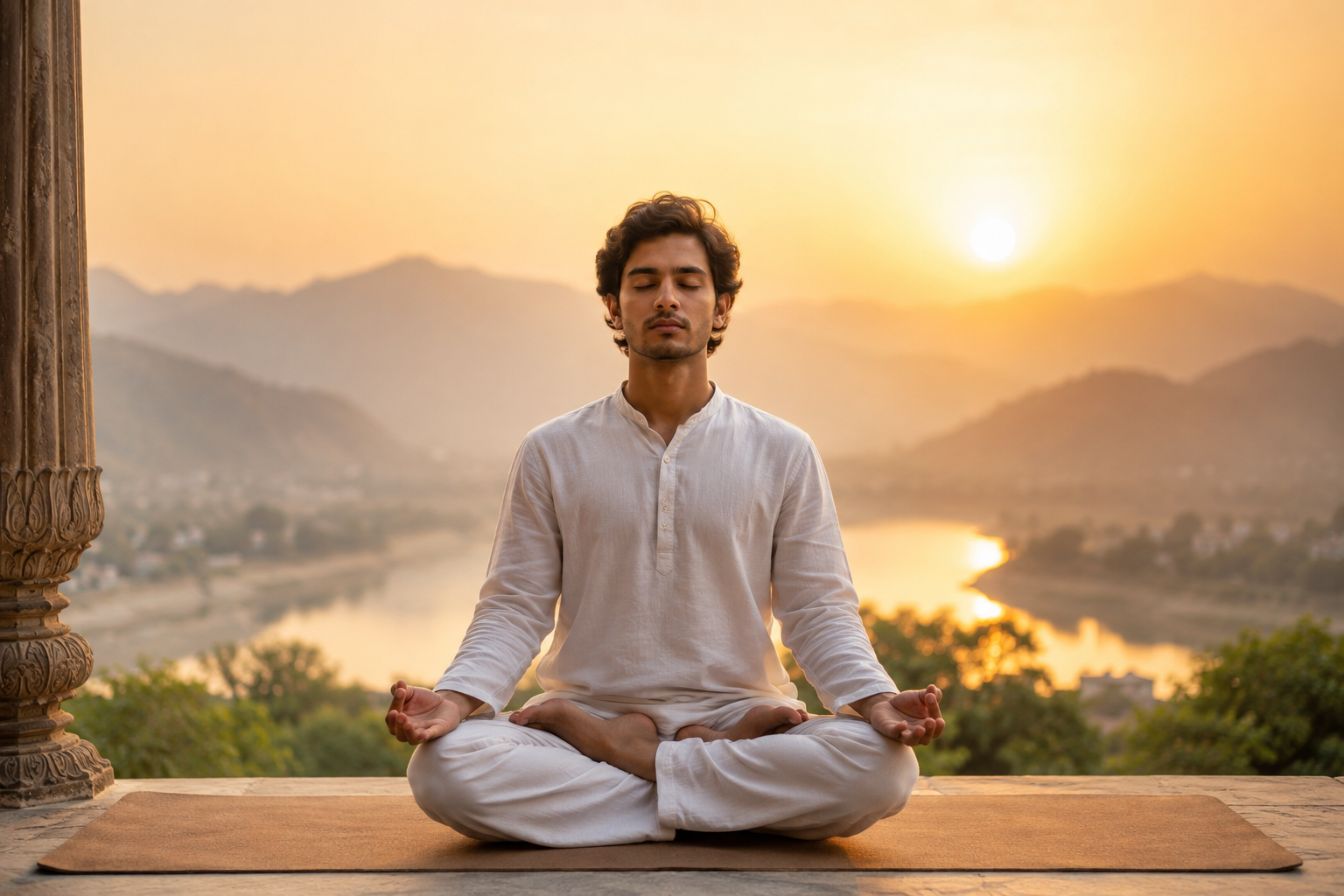
The Definitive Guide to Candra Bhedana Prāṇāyāma (Left Nostril Piercing Breath): Classical Origins, Parasympathetic Sedation, and Clinical Applications
Candra Bhedana Prāṇāyāma, universally known as the "Left Nostril Piercing Breath" or lunar-channel stimulating breath, stands as one of the most deeply soothing, cooling, and restorative practices within the classical Hatha Yoga matrix. Derived from the Sanskrit words candra (meaning moon, representing the cooling, lunar, or receptive principle), bhedana (meaning piercing, breaking through, or passing through), and prāṇāyāma (breath control or expansion of vital energy), this technique utilizes exclusive inhalation through the left nostril combined with exhalation through the right nostril to stimulate the Ida nadi, calming internal heat and pacifying an overactive nervous system. This comprehensive manual synthesizes classical scriptural frameworks with modern respiratory physiology and peer-reviewed biomedical research, serving as a definitive reference for yoga teachers, therapists, and advanced practitioners.
1. Comprehensive Benefits of Candra Bhedana Prāṇāyāma
Physical & Structural Benefits
- Parasympathetic Nervous System Sedation: Exclusive left-nostril inhalation stimulates contralateral cerebral hemisphere activity and parasympathetic neural pathways, lowering heart rate, reducing blood pressure, and easing physical tension.
- Thermoregulatory Cooling: Dissipates internal body heat, pacifying thermal inflammation, excessive perspiration, and Pitta-related overheating.
- Cardiovascular and Anxiety Relief: Slows down cardiac over-arousal, providing profound relief for acute stress responses and hypertension caused by hyper-arousal.
- Clearance of Left Nasal Passageway: High-velocity unilateral airflow clears mucosal congestion across the left nasal cavity and upper respiratory pathways.
Mental & Emotional Benefits
- Mitigation of Anxiety, Anger, and Agitation: Effectively calms emotional reactivity, mental burnout, frustration, and fiery emotional outbursts.
- Induction of Deep Mental Rest and Sleep Preparation: Fosters a serene, introspective state of mind, making it an exceptional practice for alleviating insomnia and mental fatigue.
Spiritual & Subtle Energy Benefits
- Activation of Iḍā Nāḍī: Traditional subtle anatomy dictates that inhaling through the left nostril (lunar current) charges the body with cooling, receptive prāna, balancing solar excesses. Traditional yogic belief; scientific evidence is limited.
- Pacification of Fiery Mental States: Classical texts emphasize that Candra Bhedana cools the mind, quells mental agitation, and prepares the subtle body for restorative meditative absorption. Traditional yogic belief; scientific evidence is limited.
2. Step-by-Step Practice Guide
To experience the full cooling and parasympathetic benefits of Candra Bhedana safely while safeguarding the respiratory rhythm and cervical spine, execute using these precise progressive stages:
-
The Seated Foundation and Hasta Mudrā Setup
- Action: Sit in a comfortable meditative posture (such as Padmāsana, Siddhāsana, or Sukhasana) with an upright spine, open chest, and relaxed shoulders. Rest your left hand on your left knee in Chin Mudrā. Raise your right hand toward your nose, folding your index and middle fingers down toward your palm (Vishnu Mudrā), keeping your thumb free for the right nostril and your ring/pinky fingers free for the left nostril.
- Breathing: Take 3 to 5 calm, unforced diaphragmatic breaths to center your awareness.
- Alignment: Keep your spine tall and vertical, chin slightly tucked, avoiding any forward head lean or shoulder tension.
- Common Mistake: Slumping the spine or lifting the right elbow too high, causing shoulder girdle fatigue.
- Correction: Lower your right elbow comfortably close to your ribcage and stack your vertebrae into an upright column.
- Teacher Cue: "Sit tall, fold your index and middle fingers into Vishnu Mudrā, and keep your right elbow relaxed against your ribs."
-
The Left Inhalation and Right Exhalation Mechanism
- Action: Close your right nostril gently with your right thumb. Inhale slowly, smoothly, and silently through your open left nostril to a comfortable count. At the peak of inhalation, close your left nostril with your ring and pinky fingers, release your right nostril, and exhale completely and smoothly through the right side. This completes one full round of Candra Bhedana.
- Breathing: Keep the airflow smooth and unforced. Beginners should practice without breath retention; advanced practitioners may introduce a gentle internal retention (Antar Kumbhaka) with Jalandhara Bandha if appropriate.
- Alignment: Keep your facial muscles, jaw, and neck completely relaxed throughout the cycle.
- Common Mistake: Pressing too hard on the nasal cartilage with the thumb or fingers, restricting the internal airway.
- Correction: Apply only light, gentle lateral pressure on the fleshy wing of the nostril.
- Teacher Cue: "Close your right nostril, inhale softly through the left, then close the left and exhale completely through the right."
-
Sustaining the Rounds and Ratio Integration
- Action: Complete 5 to 10 continuous rounds, always maintaining the exact directional flow: Inhale left, exhale right. Never reverse the direction.
- Breathing: Maintain steady, unhurried diaphragmatic pacing. If you feel any heaviness or lethargy, shorten the session or balance with gentle movement.
- Alignment: Keep your breath rhythm even and balanced; avoid gasping or forcing air volume.
- Common Mistake: Reversing the cycle (inhaling right, exhaling left) by mistake.
- Correction: Consciously check your hand placement before every single inhalation: always left in, right out.
- Teacher Cue: "Always draw your breath in through the left moon channel and release it out through the right sun channel."
-
The Mindful Completion and Integration
- Action: After completing your final round with an exhalation through the right nostril, lower your right hand down to your knee. Keep your eyes closed and return to natural, spontaneous breathing for 1 to 2 minutes, observing the internal wave of cool tranquility.
- Breathing: Allow your breath to return to its unmanipulated organic rhythm.
- Alignment: Maintain your tall seated posture as you absorb the practice.
- Common Mistake: Opening the eyes too abruptly or moving straight into high-stress tasks.
- Correction: Transition slowly, retaining your calm internal awareness.
- Teacher Cue: "Lower your hand, release all breath control, and observe the tranquil cooling stillness settling through your system."
3. Common Alignment Mistakes & Technical Corrections
Avoiding technical compensation patterns is essential to prevent excessive lethargy and ensure effective parasympathetic sedation:
| Identified Mistake | Anatomical Consequence | Biomechanical Correction |
|---|---|---|
| Reversing the Nostril Direction | Turns the practice into Sūrya Bhedana or alternate breathing, defeating the lunar cooling purpose. | Always verify your finger closure: *always* inhale left, *always* exhale right. |
| Practicing When Experiencing Severe Lethargy or Depression | Deep parasympathetic cooling can heighten tamasic sluggishness and low mood. | Balance Candra Bhedana with uplifting practices or avoid it if you feel excessively heavy or depressed. |
| Forcing Breath Retention (Kumbhaka) Prematurely | Induces internal air hunger, dizziness, and nervous system constriction. | Omit breath retention entirely until your basic unilateral airflow cycles are completely effortless. |
| Practicing Excessively in Cold Winter Weather | Over-cools the respiratory tract and can trigger chest congestion or shivering. | Reserve Candra Bhedana for hot weather, summer months, or fiery emotional agitation. |
Figure 1: Lunar airflow map illustrating exclusive left-nostril (Ida) inhalation and right-nostril (Pingala) exhalation in Candra Bhedana Prāṇāyāma.
4. Contraindications & Precautions
Due to its potent parasympathetic-sedating and cooling effects, Candra Bhedana must be avoided or strictly modified under the following conditions:
- Severe Depression, Tamasic Lethargy, or Heavy Fatigue: Parasympathetic cooling can deepen feelings of sluggishness, depression, and low motivation.
- Low Blood Pressure (Hypotension): Can further reduce blood pressure and heart rate, leading to lightheadedness or dizziness.
- Cold Winter Weather, Respiratory Congestion, or Asthma: Introducing cold air into sensitive airways can provoke coughing or bronchospasm.
- Severe Bradycardia (Abnormally Slow Heart Rate): Can excessively slow cardiac output; practice only under expert medical guidance.
5. Intelligent Sequencing Protocols
Sequencing Summary Matrix
- Preparatory Asanas & Practices: Comfortable seated posture (Sukhasana, Padmasana) with upright spinal alignment; basic diaphragmatic breathing.
- Follow-up Counter Practices: Neutral breathing or balanced breathwork like Nadi Shodhana to stabilize autonomic output before concluding.
- Key Progressions & Variations: Progression from basic 1:1 unilateral breathing to advanced ratios combined with calming meditation or Yoga Nidra.
- Structural Integration: Positioned at the end of an evening practice, before sleep, or during hot summer weather to cool and sedate the nervous system.
Comprehensive Sequencing Context
An effective yoga practice utilizes targeted breathing techniques to modulate energy levels according to personal need and environmental conditions. Candra Bhedana serves as a powerful sedative. Placed at the end of an evening session or during hot weather, it cools the system and calms mental agitation, preparing the practitioner for deep restorative rest.
6. Strategic Modifications for Special Populations
Yoga should adapt to the unique physiological needs of the individual body. Use these specialized modifications to keep the practice accessible and safe:
-
For Beginners or Practitioners with Low Stamina:
- Practice fewer rounds (3 to 5 rounds) at a gentle, unforced pace without any breath retention.
-
For Seniors or Chair Practitioners:
- Sit upright in a stable chair with feet flat on the floor, keeping the spine tall and uncompressed throughout the practice.
-
For Individuals Prone to Excessive Drowsiness:
- Pair Candra Bhedana with equal rounds of Sūrya Bhedana or Nadi Shodhana to maintain alertness and energetic balance.
7. Historical Background & Classical Scriptural References
Candra Bhedana holds an esteemed position within classical Hatha Yoga texts, celebrated as a master technique for cooling the body and conquering mental agitation.
Classical Scriptural Context
Scripturally referenced in the Hatha Yoga Pradipika (Chapter 2, Verse 47) and the Gheranda Samhita, Candra Bhedana is praised for purifying the nadis, cooling internal heat, and granting longevity and peace of mind. Classical texts note that it should be practiced by inhaling through the left and exhaling through the right continuously.
Modern Institutional Refinements
Modern yoga research institutions such as Kaivalyadhama and S-VYASA have investigated unilateral nasal breathing, confirming its distinct asymmetrical impact on parasympathetic autonomic tone, heart rate variability, and cerebral hemispheric activity.
8. Biomechanical and Anatomical Analysis
Primary Movers and Muscle Actions
- Respiratory Diaphragm: Drives smooth, active inhalation through the left nostril and controlled exhalation through the right nostril.
- Intercostal and Abdominal Muscles: Maintain stable thoracic expansion and intra-abdominal pressure.
- Right-Hand Intrinsic Muscles (Thenar/Hypothenar Groups): Maintain precise, delicate closure of the right nostril via Vishnu Mudrā.
- Cervical Postural Erectors: Maintain an upright, neutral head and neck position.
Biomechanics and Physiological Pathways
- Thermic and Autonomic Sedation: Enhanced parasympathetic signaling reduces circulating stress hormones, lowering core body temperature and relaxing smooth muscle tone.
9. Systemic Physiological Effects
- Nervous System: Stimulates parasympathetic nervous system activity, lowering resting heart rate, blood pressure, and stress anxiety markers.
- Thermoregulatory System: Lowers core body temperature, alleviates excessive perspiration, and cools inflammatory heat.
- Cardiovascular System: Improves heart rate variability (HRV) and provides robust relief for hypertension and stress-induced cardiac over-arousal.
- Respiratory System: Conditions respiratory pump muscles and clears upper airway passages.
10. Clinical Research & Therapeutic Applications
Modern medical and physiological literature provides supportive evidence regarding the asymmetric effects of unilateral forced nostril breathing:
- Unilateral Nasal Airflow Trials: Clinical studies published in peer-reviewed journals confirm that left-nostril breathing significantly decreases heart rate, lowers blood pressure, and stimulates parasympathetic autonomic activity.
- Disclaimer: The therapeutic applications discussed here are meant for educational purposes and to support overall wellness. They are not a replacement for professional medical diagnosis, targeted advice, or customized clinical treatment plans. Always consult a qualified physician when managing chronic cardiovascular, neurological, or metabolic health conditions.
11. Teaching Methodology: Cues and Adjustments
Verbal & Imagery Cues
- "Sit tall with an upright spine, fold your index and middle fingers into Vishnu Mudrā, and close your right nostril."
- "Inhale slowly and steadily through your left moon channel, drawing in cool, soothing lunar energy."
- "Close your left nostril and exhale completely through your right sun channel, releasing all fiery tension."
Safe, Non-Invasive Hands-On Adjustments
- Postural Alignment Guidance: Teachers can guide students on tall spinal alignment and relaxing their right elbow against their ribs verbally.
- Safety Note: Never touch a student's face or nose. Ensure students with severe lethargy or depression are guided away from Candra Bhedana toward balancing or uplifting practices.
12. Myth vs. Fact Analysis
- Myth: Candra Bhedana can be practiced safely in any weather condition or emotional state.
- Fact: Because Candra Bhedana powerfully cools the system and sedates the nervous system, it should be avoided in cold winter weather or by individuals suffering from severe lethargy and depression.
- Myth: You should alternate sides randomly during Candra Bhedana.
- Fact: Candra Bhedana requires strict directional consistency: you *always* inhale left and *always* exhale right.
Quick Reference Facts Table
| Sanskrit Name | Candra Bhedana Prāṇāyāma (चन्द्र भेदन प्राणायाम) |
| English Name | Left Nostril Piercing Breath (Lunar Channel Breath) |
| Difficulty Level | Intermediate (Requires precise directional control and breath awareness) |
| Primary Physiological Focus | Parasympathetic Activation, Thermoregulation, Sedation |
| Primary Respiratory Mechanics | Left-Nostril Inhalation, Right-Nostril Exhalation, Optional Kumbhaka |
| Traditional Subtle Channel | Iḍā Nāḍī (Lunar Current) Stimulation |
| Ayurvedic Constitution Impact | Strongly pacifies Pitta and calms Vāta; can increase Kapha if overpracticed |
Frequently Asked Questions (FAQ)
Q1: What is the literal meaning of Candra Bhedana?
A: Candra means "moon" and bhedana means "piercing" or "breaking through," representing the piercing of the lunar (Ida) energy channel.
Q2: Why do we always inhale through the left and exhale through the right?
A: Inhaling through the left nostril stimulates the lunar (Ida) channel and parasympathetic nervous system, while exhaling through the right grounds the energy.
Q3: Can Candra Bhedana help cure insomnia and anxiety?
A: Yes! Its cooling and parasympathetic-sedating properties make it exceptionally effective for calming racing thoughts, anxiety, and sleep disturbances.
Q4: Is Candra Bhedana safe for individuals with low blood pressure?
A: Individuals with severe hypotension should practice with caution, as left-nostril breathing further lowers blood pressure and heart rate.
Q5: When is the best time of day to practice Candra Bhedana?
A: It is ideal in the evening before sleep, during hot summer weather, or whenever you feel emotionally overheated or stressed.
Q6: How many rounds should a beginner practice?
A: Beginners can comfortably start with 5 to 7 continuous rounds without breath retention, observing how their body responds to the cooling calm.
Q7: Can Candra Bhedana be practiced during cold winter weather?
A: It is generally discouraged during cold winter months because it over-cools the respiratory tract and can provoke congestion.
Q8: What should I do if I feel sluggish or heavy while practicing?
A: Stop immediately, switch to balancing or uplifting breathwork like Sūrya Bhedana or Nadi Shodhana, and move gently.
Q9: Should beginners incorporate breath retention (kumbhaka)?
A: No. Beginners should master smooth, unforced unilateral airflow first, introducing breath retention only after months of stable practice.
Q10: How does Candra Bhedana affect the nervous system?
A: By stimulating parasympathetic vagal pathways, it lowers heart rate, reduces blood pressure, and calms stress hormone output.
Q11: Can pregnant women practice Candra Bhedana?
A: Yes, gentle Candra Bhedana without breath retention is very soothing and safe for pregnant women experiencing internal heat or anxiety.
Q12: How does Candra Bhedana relate to Ida Nadi?
A: It directly targets and stimulates the Ida Nadi, which governs mental relaxation, feminine lunar energy, and parasympathetic recovery.
Q13: What should I feel physically during the practice?
A: You should experience a gradual sense of internal cooling, mental tranquility, and slow, effortless airflow.
Q14: How do I transition out of the practice?
A: Lower your right hand, return to natural silent breathing through both nostrils, and sit in quiet observation for a minute or two.
Refine your breathwork technique and deepen your personal practice under expert guidance.
Connect with Iti Iti Yogashram